Insights
Love at first light: Ruth Kelly Waskett's illuminating experiences
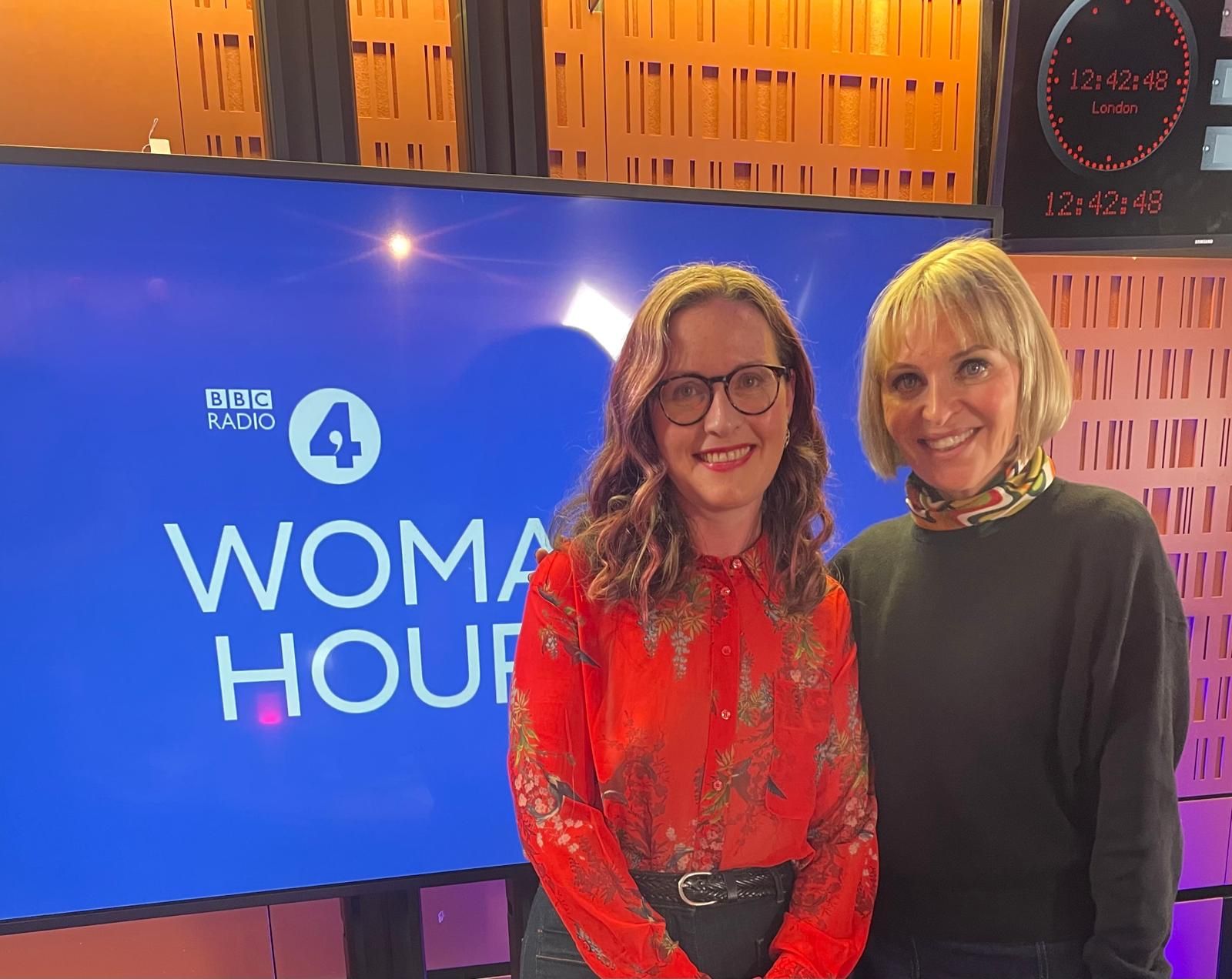
Our Lighting Director, recently interviewed on Woman’s Hour, on inspirations past and present, and making light work
“When I was a child, I visited an ancient monument in Ireland called Newgrange – a fascinating place with an internal passageway that’s perfectly aligned with the sun on the winter solstice,” remembers Ruth Kelly Waskett of her earliest experience of impactful lighting design.
“When you visit at any other time, they simulate this using a basic lightbulb that sort of dims up. It’s so dark in there, and then the ‘sun’ slowly starts to creep along. It’s an amazing, very theatrical experience.”
Sitting somewhere in the back of her mind over the years to follow, this special moment would eventually come to influence her professional foray into the world of light and how buildings can relate to it. She would become involved in designing entire lighting systems for buildings that have a huge human impact in terms of daily lived experience, and today helps to manage the design work of the team.
When her lighting team assisted with the development of the Rare Dementia Support Centre – a drop-in centre set in a refurbished Georgian terrace, and part of the UCL research and education body – the intent was to create a space which did not feel clinical but homely.
Maximising daylight afforded by the generous Georgian glazing, the design was supported by lighting catering to the needs of dementia patients: even, soft, warm white light from a luminaire pallet leaning into a hospitality vibe and a domestic look and feel.
The best lighting in a healthcare setting? The kind you don’t notice.
“It’s one of those things where when we get it right, people probably won’t comment, apart from when the lighting is a feature, or intended to be ‘shouty’.
“In a building like a hospital, if lighting is done right, it complements the architecture in a way that means it’s almost invisible. If it has the capability to change its colour temperature – how warm or cold it is – then that can be done in a subtle way, and people might only realise if they’re there for a long period that the lighting is helping not to replace natural light but support their circadian rhythm.”
She and her team often help architects with room design and layout to maximise daylight in buildings. “I can’t overstate the importance of this – because we have become an indoor species,” she says. “Therefore, the built environment is really important in how it can help or hinder our health and wellbeing, and natural light is a part of that.”
While we can’t recreate daylight itself, or replicate its quantity or wavelength, we can recreate the feeling of it. “The technology we have now is fantastic in that respect,” she says. “It’s so flexible, and as we have moved into experiential design, we have amazing potential to be able to recreate moments of drama.”
At Oxford’s brilliant new science hub, the Life and Mind Building, the aim was to transform the relationship between psychological and biological sciences, connect scientists and facilitate collaboration through flexible teaching spaces, shared cafes, common relaxation and break-out areas interlinked by open atriums featuring ongoing research displays.
“Enhancing user wellbeing and helping to attract top faculty, researchers, and students alike, the design successfully blends natural and artificial light to create different atmospheres in large voluminous spaces as well as smaller more intimate spaces,” says Ruth.
“The design of the atrium, where we worked closely with the architects at NBBJ to design the roof glazing and did a lot of daylight modelling to help refine the design, was a particularly fruitful collaboration.
“The idea was to ensure that we could get good daylight into the offices, write-up spaces and labs that overlook the atrium. We worked with the architects to come up with a design that meant as many rooms as possible would get equal access to daylight.”
Still taking inspiration from people and places across the world, here she shares a couple of projects currently inspiring her everyday work.
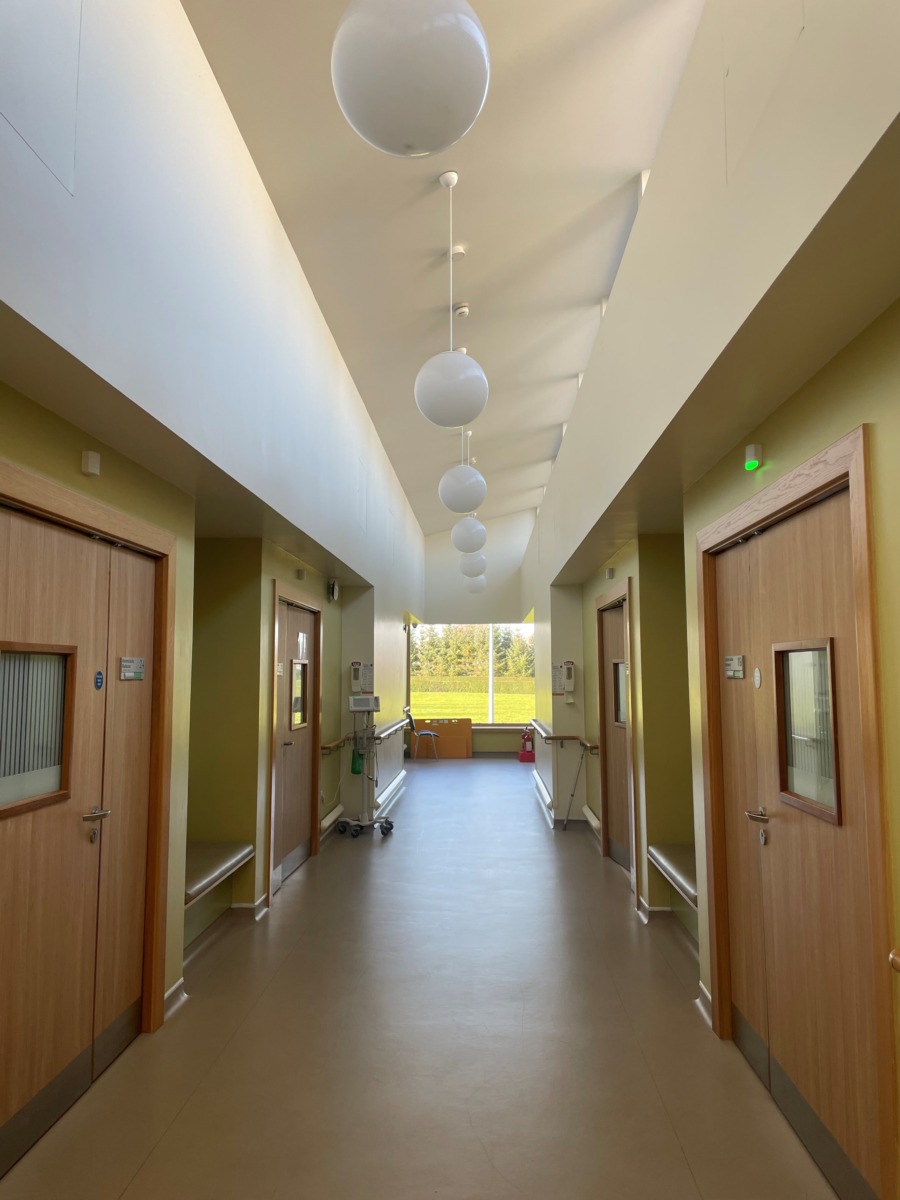
Our Lady’s Hospice extension, Dublin
“The thing that impresses me about this building is how well natural light is used. It is such a calm and quiet space, and each patient room is directly connected with landscaped courtyards.
“The corridors are thoughtfully designed, with high-level clerestory windows admitting sky light, and simple pendant lights providing soft lighting at night. A picture window at the each of each corridor stops it from feeling closed off and keeps the connection with the outdoors for visitors, who often spend quite a lot of time in the corridor spaces.”
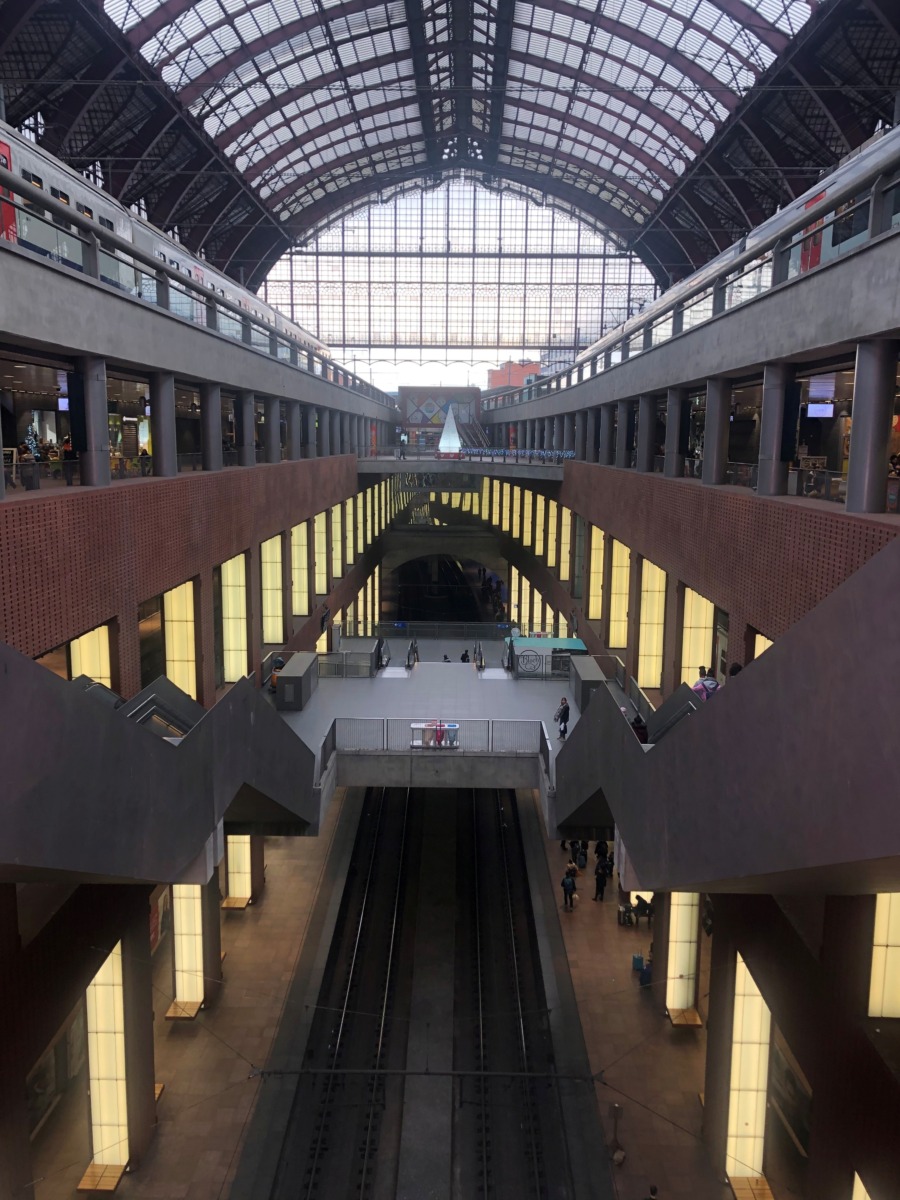
Antwerp Centraal, Belgium
“I was really wowed by Antwerp Centraal station’s combination of heritage architecture and contemporary additions. I love the futuristic lighting in this space because it has a magic combination of daylight – coming from a large glazed roof structure – and contemporary artificial lighting creating a rhythm along the lower platforms.
“It’s just a very cool space, and the lighting does a huge amount to enhance the drama of the large architectural volume.”