
Insights
Innovative water conservation takes flight.
How airport buildings can save water without grounding growth.
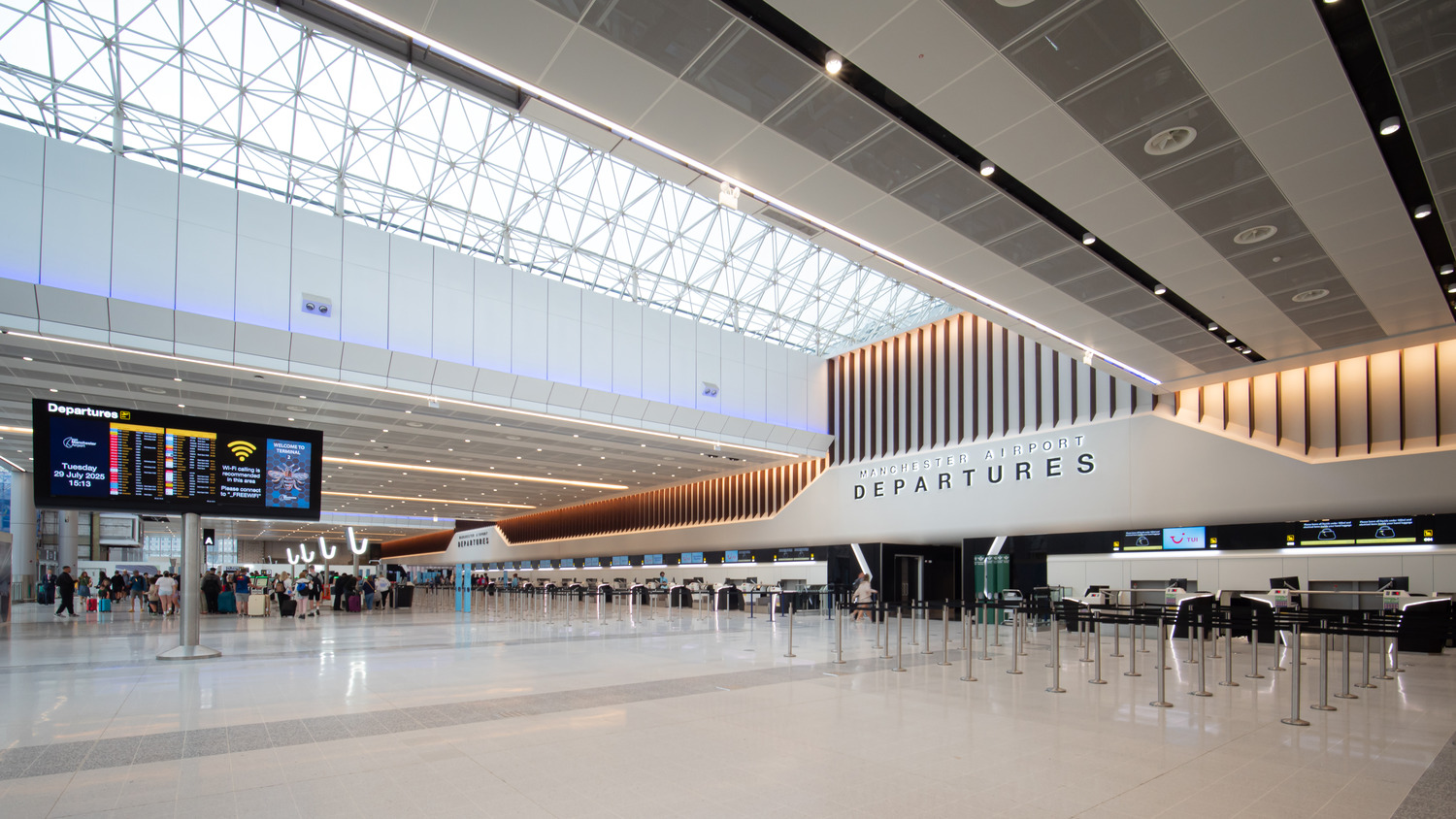
Airports are vast, complex buildings that move millions of people every year. They are also among the most water-hungry public buildings we operate. Every flush, every air conditioner’s cooling tower cycle, every landscaped area contributes to a daily demand that is only set to rise as passenger numbers climb. Climate change, reduced water use targets and increased demand is tightening water supplies across the UK and beyond, and airport operators need to respond to this. Airport operators should reduce water use so that they can expand operations sustainably without compromising passenger experience.
We have used four strategies that consistently offer the most meaningful reductions, without sacrificing the efficiency or amenity that passengers expect.
Low flow water fixtures.
Inside the terminal, smarter fixtures remain one of the lowest cost, highest impact interventions available. Low flow taps, dual flush toilets, waterless urinals, and efficient shower fittings can slash bathroom water consumption by more than 50%, and no one walking through the airport will notice the difference except perhaps when they see the water saving signs.
Given the enormous footfall, even fractional reductions per person quickly multiply into millions of litres of water saved each year. When paired with smart sensors and real‑time leak detection, terminals can reduce one of the biggest sources of wasted water.

Rainwater harvesting.
If any building type is perfectly shaped for rainwater collection, it’s the airport terminal. With expansive roofscapes, airports naturally capture significant volumes that can be repurposed for toilet flushing, irrigation, or cleaning operations.
As the UK and Europe face longer, more frequent dry spells punctuated by short, high‑intensity rainfall events, the gap between the water collected and the water actually needed continues to widen. The large roof areas of an airport terminal lead to water siphoning very quickly into any harvesting system often necessitating large below‑ground storage tanks. Airport environments are already congested with underground services, ducts, cables, and utilities, leaving little space for the substantial tank volumes required to make such systems viable.
That said, rainwater harvesting remains a valuable tool, but it must be applied in locations with available space to store the water from high-intensity rainfall events.

Greywater recycling.
Greywater recycling, however, is a different story.
Because terminal bathrooms are typically clustered and vertically stacked, they are ideally configured for collecting basin water, treating it, and using it for non‑potable purposes such as flushing. Unlike rainwater harvesting, greywater systems offer a near‑continuous inflow that mirrors usage patterns. That makes the required plant much smaller and far easier to integrate, often within cleaning rooms or compact plant areas.
To illustrate the potential impact, consider a typical front of house male and female toilet block containing 25 wash hand basins, 31 WCs, and 16 urinals. During a single 30-minute period at peak times, the wash-hand basins alone can generate approximately 1,620 litres of recoverable water. Over the same period, the combined water demand of the WCs and urinals is approximately 1,140 litres.
This means that, in a single 30-minute peak interval, one toilet block could offset its WC and urinal water usage entirely, resulting in a saving of roughly 1,140 litres of potable water. When applied across multiple toilet blocks, the total potential water savings increase significantly, offering substantial cumulative benefits.
Visibility: turning infrastructure into influence.
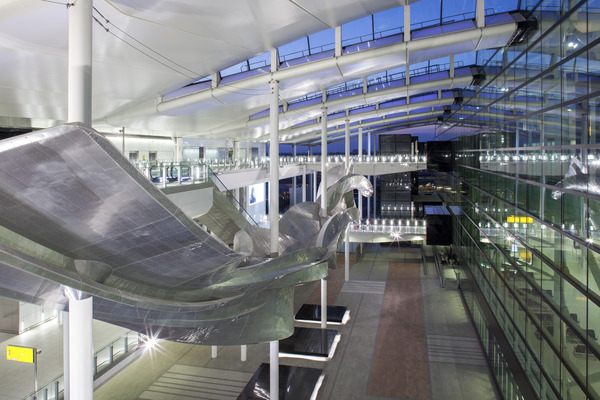
Perhaps the most underrated advantage airports hold is their visibility. From refill stations to real‑time dashboards showing water saved, sustainability is something passengers can see, not just assume.
That visibility matters.
Airports sit on a global stage. The decisions they make don’t just reduce operational costs; they shape public expectations of what responsible infrastructure looks like.
Airports will always be gateways to cities and to countries. But in a future shaped by water scarcity, they also have the chance to become gateways to better practice.
By embracing smarter systems and thoughtful engineering today, airport buildings can demonstrate that sustainability and scale are not opposing forces. They can show that growth doesn’t have to drain resources and that even the busiest buildings on earth can learn to use water more wisely.
LET’S TALK
JohnBothma@hoarelea.com