Insights
Why design experientially for theatre, but not everyday life?

Joshua Welch, Senior Lighting Designer
The "dazzling dystopia" of The Hunger Games stage debut got us thinking...
When we design lighting for theatre or retail, we talk a lot about experience. How a space feels. How people move through it. How light builds atmosphere, creates moments, and tells a story.
It plays a central role in the atmospheric stage version of Hollywood blockbuster The Hunger Games, recently debuted at London’s Troubadour Canary Wharf Theatre.
It’s never just about being able to see; it’s about how people experience the space.
As soon as we move into more everyday environments, that thinking often drops off in favour of utility.
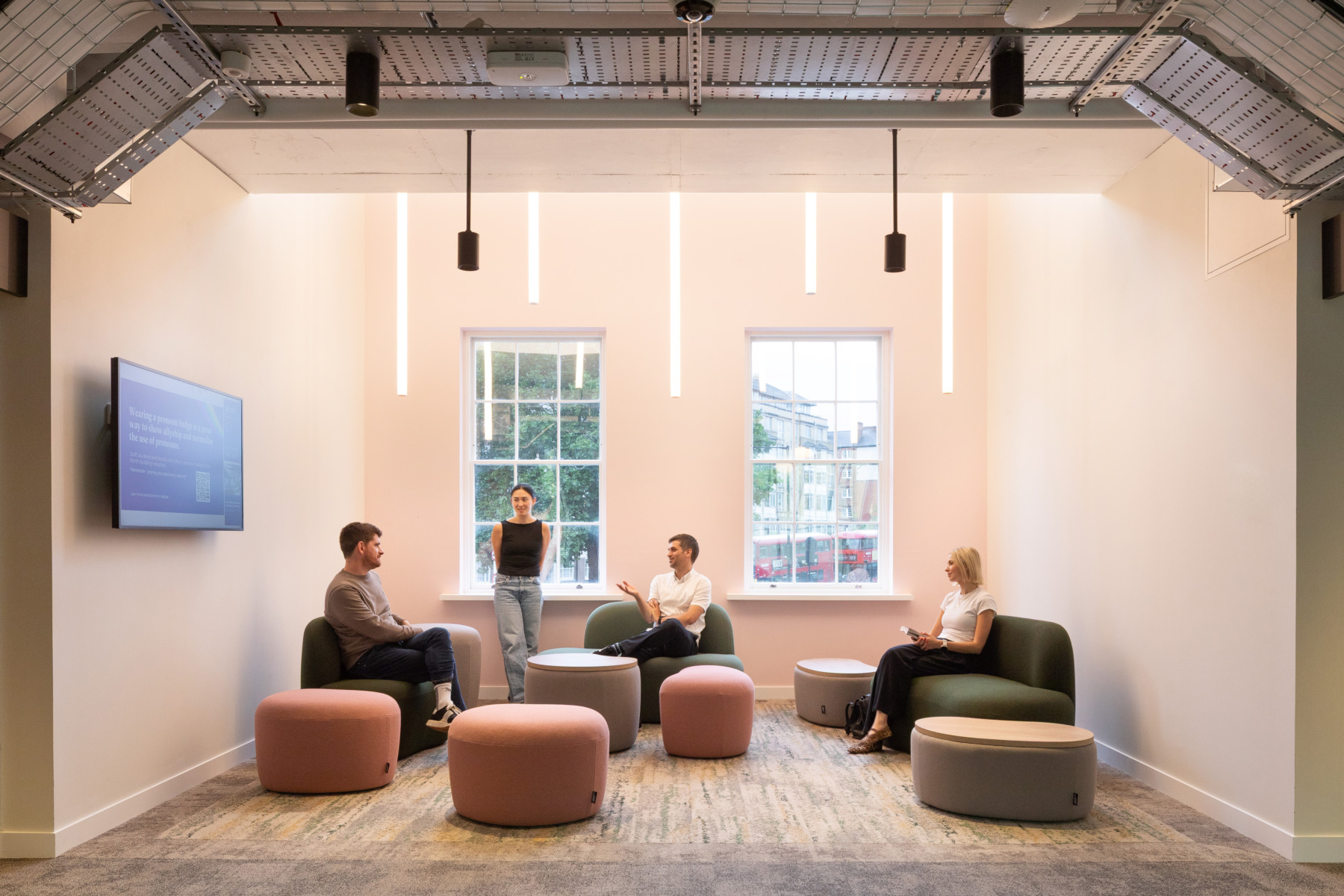
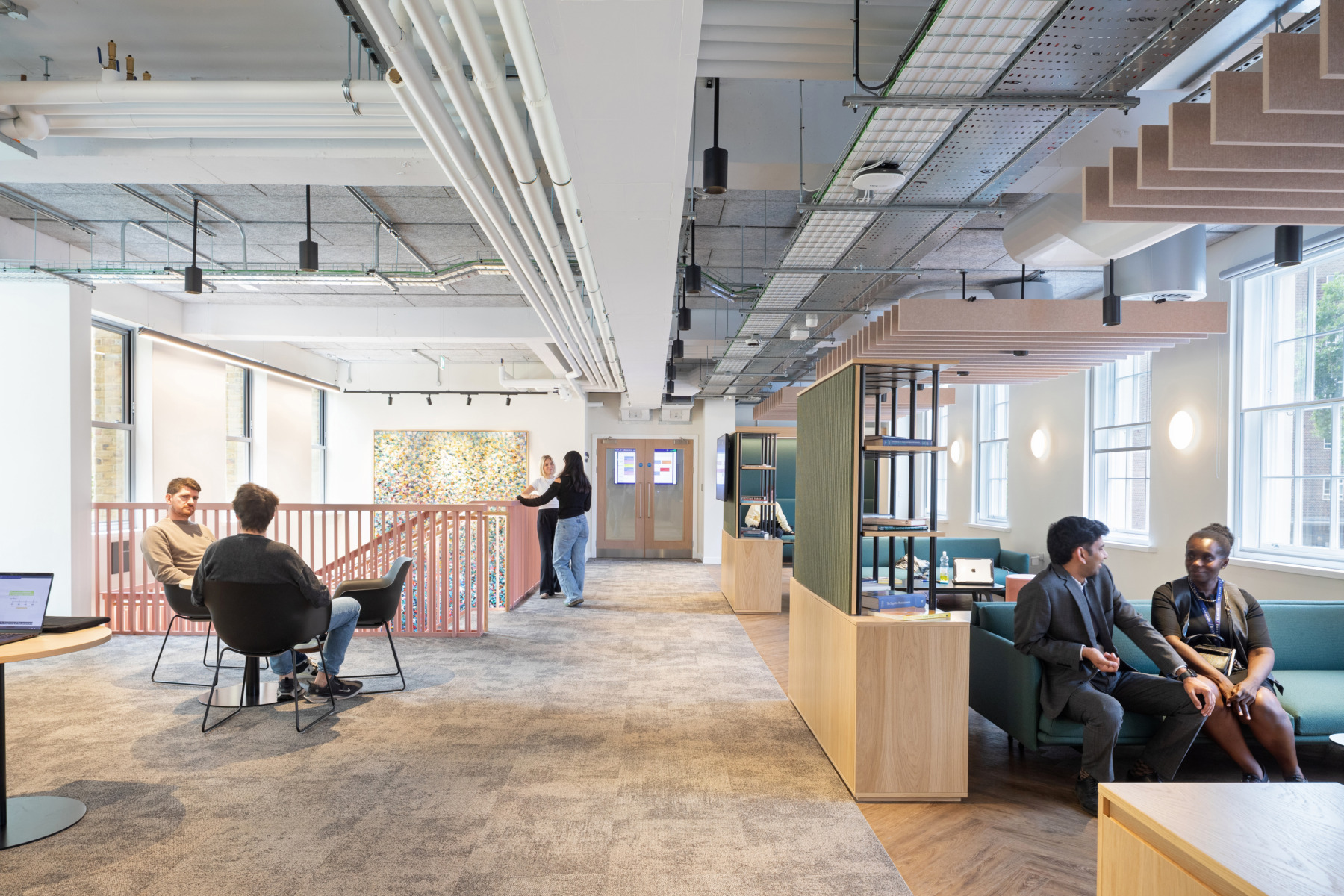
In hospitals, schools, universities, transport hubs and offices, lighting design can quickly become a functional exercise. It’s about meeting standards, hitting numbers and keeping things efficient. Experience tends to sit somewhere further down the list, if it’s considered at all.
The strange thing is, these are the spaces we spend most of our lives in.
Most people might go to the theatre a handful of times a year. But we spend years in classrooms, days in offices and hospitals, and endless time moving through stations and public buildings. These environments shape our mood, our wellbeing and how we interact with each other. Yet we rarely design them with the same care or ambition we bring to more ‘special’ spaces.
For most people, lighting only becomes noticeable when it’s bad. Glare in a hospital corridor. Offices that feel flat and draining. Schools that are bright but somehow lifeless. If your main experience of lighting is something that just about does the job, it’s hard to get excited about it.
But that’s exactly where the opportunity is.
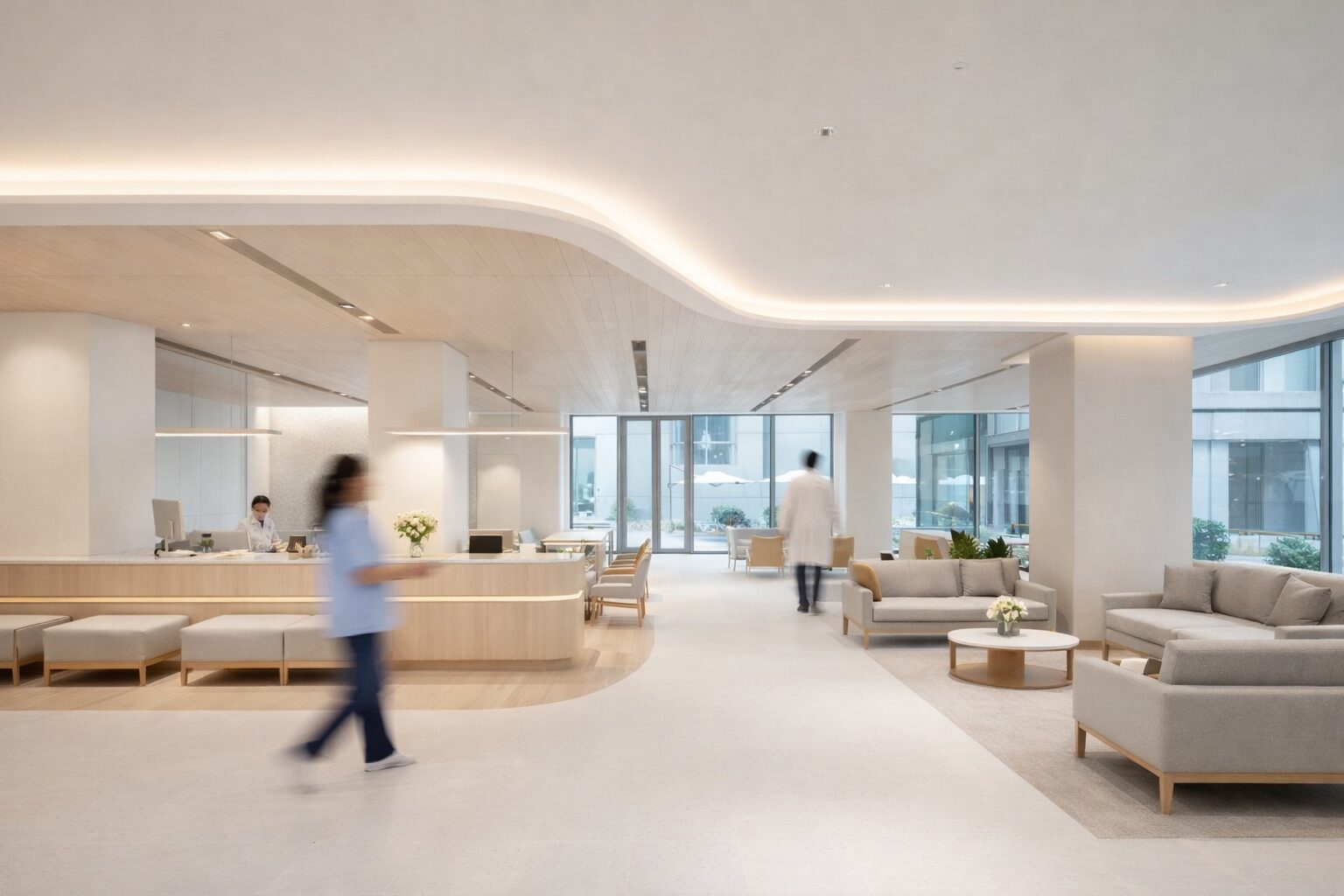
Designing experientially doesn’t mean theatrical lighting everywhere, or blowing budgets.
Designing experientially means thinking a bit more about how light makes people feel; how it can calm, reassure, energise or support focus. A hospital that genuinely embraces this approach would feel completely different to many we know today – not because it’s flashy, but because it feels more human.
The same applies to schools, universities, workplaces and communities. Lighting can help people feel welcome, supported and connected to a place. Function still matters, but it doesn’t have to come at the expense of experience.
We already know how to design for experience. Maybe it’s time we stopped reserving that thinking for performance spaces and started bringing it into the places where everyday life actually happens.
Let’s talk: JoshuaWelch@hoarelea.com